
Are Coworking Spaces Worth It in India? Benefits & Insights
July 13, 2026 | Workspace
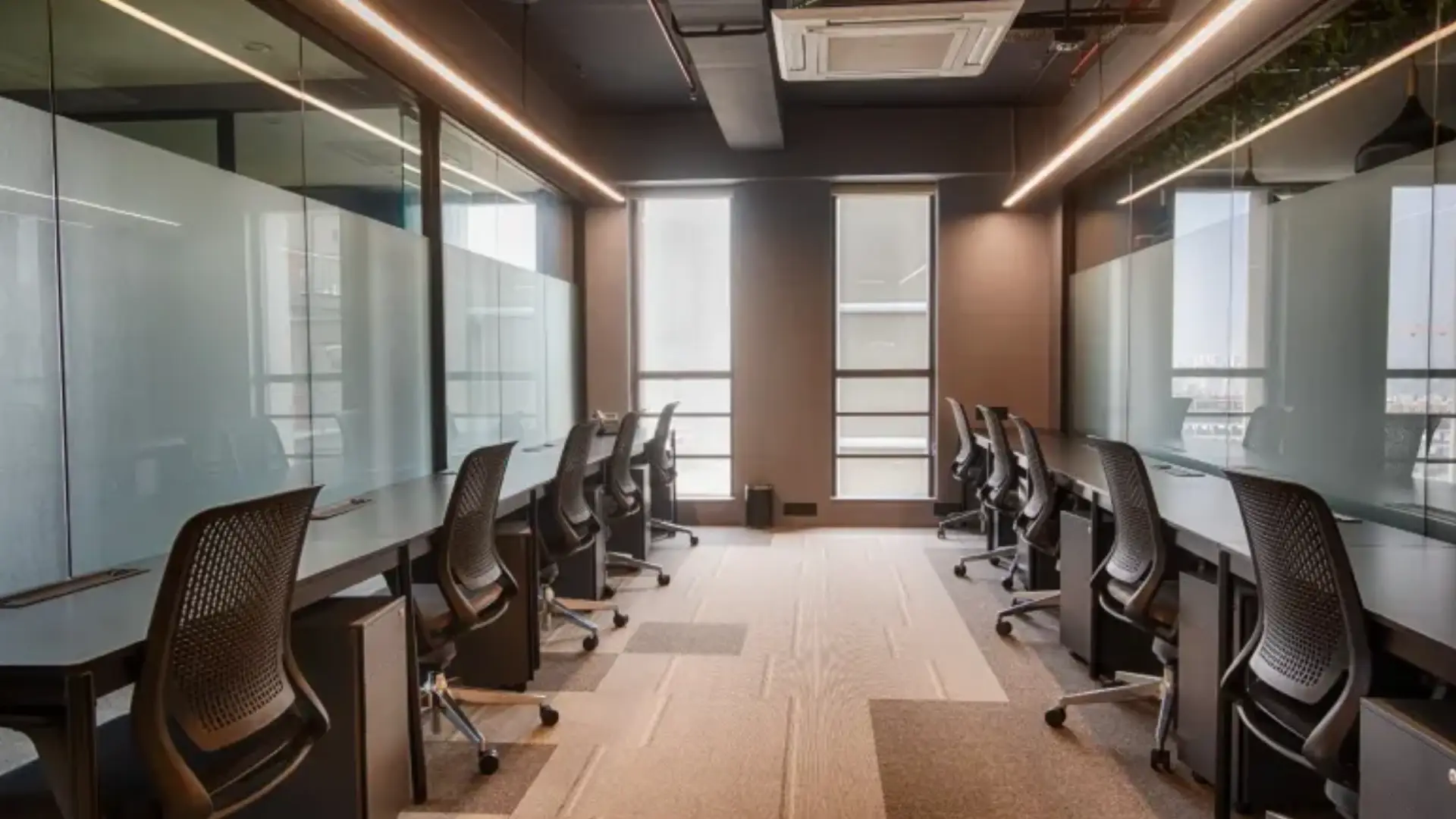
Setting up an office sounds exciting until the bills, paperwork and daily responsibilities begin to pile up. A business may need to pay a large deposit, purchase furniture, arrange internet services, manage repairs, and commit to a property before the team has even settled in.
This is one reason Coworking Spaces in India have become a serious workplace option for freelancers, startups, growing teams and established companies.
But convenience alone does not make a workspace valuable. The real question is whether coworking can support productivity, control costs, and give your business enough room to grow.
Table of Contents
1. What Does a Coworking Space Actually Offer?
2. Why Coworking Is Growing Across India
3. The Benefits That Make Coworking Worth Considering
4. Coworking Space vs Traditional Office Costs
5. Where Networking Becomes a Business Advantage
6. Who Benefits Most from Coworking Spaces?
7. Challenges You Should Consider
8. How to Choose the Right Coworking Space
9. Are Coworking Spaces Worth the Investment?
10. Frequently Asked Questions
2. Why Coworking Is Growing Across India
3. The Benefits That Make Coworking Worth Considering
4. Coworking Space vs Traditional Office Costs
5. Where Networking Becomes a Business Advantage
6. Who Benefits Most from Coworking Spaces?
7. Challenges You Should Consider
8. How to Choose the Right Coworking Space
9. Are Coworking Spaces Worth the Investment?
10. Frequently Asked Questions
What Does a Coworking Space Actually Offer?
A coworking space offers a professionally managed workplace used by different individuals, teams and businesses. Members share facilities such as reception areas, lounges, internet connections, meeting rooms, security, and common utilities.
However, coworking is no longer limited to open desks in a large room.
A modern Coworking Office India can offer hot desks, dedicated workstations, private cabins, managed team offices, conference rooms, virtual office services, and business lounges. You can select a setup according to your team size, work style and privacy needs.
Most providers also offer plans for different periods. You may book a desk for a day, rent a cabin monthly, or create a longer arrangement for an entire team.
This flexibility makes a Shared Office Space India solution useful for businesses that need professional infrastructure without taking responsibility for managing a complete office.
The basic idea is simple. You focus on your work, while the workspace provider handles the office environment around you.
Why Coworking Is Growing Across India
The working style of people has changed in the past decade and office requirements have evolved with it.
Many companies no longer know exactly how large their teams will be two or three years from now. Some are hiring quickly, while others are managing hybrid teams or entering new cities with a small group of employees.
A traditional office lease often requires a longer commitment. It may also involve interior work, furniture purchases, deposits, maintenance contracts and separate service providers. This can make expansion slower and more expensive.
A Flexible Workspace India model gives businesses more control. They can start with a small office and add seats when the team grows. They can also reduce space if their requirements change.
The scale of this shift is visible in industry research. ICRA estimated that flexible and coworking office supply across six major Indian cities stood at around 80 million square feet in December 2024. It is projected that this supply could reach approximately 125 million square feet by March 2027.
Coworking has also moved beyond its early reputation as a workspace mainly for freelancers and young startups. In April 2026, IBEF reported that large enterprises occupied 72 % of seats in India’s flexible workspace market.
This shows that flexibility is becoming relevant to businesses at almost every stage.
The Benefits That Make Coworking Worth Considering
The strongest Benefits of Coworking Spaces are not limited to attractive interiors or free coffee. Their value comes from solving several practical workplace problems at the same time.
Lower Initial Spending
A conventional office may require a security deposit, furniture, electrical work, internet installation, signage, meeting room equipment, and interior improvements.
Coworking usually combines many of these requirements into one plan. The workspace is ready, the furniture is installed, and the basic infrastructure is already working.
This allows founders and business owners to protect their capital for activities such as hiring, sales, product development, and client service.
Flexible Plans for Changing Teams
Business growth rarely follows a perfectly predictable path.
You may have five employees today and need space for twelve people six months later. A flexible provider can often help you add desks or move into a larger private cabin within the same location.
This makes an Affordable Coworking Space especially useful for companies that want to expand without repeatedly searching for new offices.
Professional Infrastructure
Working from home may be comfortable, but it does not always provide the right setting for interviews, team discussions, client presentations, or focused work.
A Professional Coworking Space gives you access to meeting rooms, reception support, high speed internet, power backup, office furniture, common areas, and a business ready environment.
The result is not simply a better looking office. It is a workplace where your team can operate with fewer interruptions.
Less Administrative Work
Who handles the internet issue? Who follows up with the cleaning team? Who manages repairs, electricity bills, visitor entry, and office supplies?
In a traditional office, someone from your team must take responsibility for these tasks. In coworking, the provider usually manages much of the daily administration.
That gives business owners more time to concentrate on customers, employees, and growth.
Access to Better Locations
Renting an independent office in a recognised commercial area may be beyond the budget of a small business.
Coworking makes such locations more accessible because multiple businesses share the overall infrastructure. You can operate from a convenient business address without paying for an entire property.
A Clearer Work Routine
Home based work can blur the boundary between personal and professional time. Distractions, household responsibilities and limited space can affect concentration.
A dedicated workplace creates structure. You arrive with a purpose, work in a professional setting, and leave when the workday is complete.
For many people, this simple separation supports better focus and consistency.
Coworking Space vs Traditional Office Costs
Monthly rent is only one part of the cost of an office.
A traditional office may initially appear economical, especially when you compare rent per square foot. However, the final expense can increase once you include furniture, deposits, maintenance, electricity, internet, repairs, security, housekeeping, and meeting room equipment.
This does not mean coworking will always be the cheapest option.
A large company with a stable team may find that a traditional office provides better value over several years. It may also need full control over branding, layouts, security and specialised equipment.
The right comparison is the total cost of occupancy. Ask what you will spend before moving in, what you will pay each month, and how much time your team will spend managing the property.
That gives you a more realistic answer than rent alone.
| Cost or Requirement | Traditional Office | Coworking Space |
|---|---|---|
| Security deposit | Usually higher | Often lower and plan based |
| Interior setup | Managed by the tenant | Usually ready to use |
| Furniture | Purchased separately | Commonly included |
| Internet and utilities | Arranged separately | Usually bundled |
| Maintenance | Tenant responsibility | Managed by the provider |
| Lease commitment | Usually longer | More flexible |
| Team expansion | May require relocation | Seats can often be added |
| Meeting facilities | Created and managed internally | Available within the workspace |
Where Networking Becomes a Business Advantage
Coworking spaces bring people from different industries into the same professional environment.
You may work near consultants, technology teams, designers, accountants, marketers, financial professionals, and founders. Over time, regular conversations can lead to useful introductions, referrals, partnerships and service connections.
Could the person sitting a few desks away become your next vendor or client? It is possible, but it is not automatic.
The strongest communities are created when a coworking provider introduces members, organises relevant events, and creates comfortable areas for interaction. Members also need to participate rather than waiting for opportunities to appear.
Networking should not be the only reason to choose a workspace. Still, it can become a valuable extra benefit when the community is active and professionally managed.
Who Benefits Most from Coworking Spaces?
Different professionals use coworking for different reasons.
Startups
A Startup Office Space India solution helps founders begin operations without spending heavily on interiors and long lease commitments. Startups can maintain a professional presence while preserving funds for business growth.
Freelancers and Consultants
Independent professionals gain a structured work routine, meeting facilities, and a credible location for client discussions. They also get the social interaction that may be missing when working alone from home.
Remote and Hybrid Employees
Employees who live far from a central office may use coworking as a productive location closer to home. This can reduce travel while providing a better environment than a café or temporary home setup.
Small and Medium Sized Businesses
Private cabins and managed offices allow established teams to work together without handling everyday facility management. They receive privacy along with access to shared amenities.
Companies Entering a New City
Opening a traditional branch office can take months. A flexible workspace allows a company to place a small team in a new market and begin operations much sooner.
Corporate interest in this model continues to grow. CBRE’s 2025 India Office Occupier Survey found that 58 % of surveyed small occupiers planned to place more than 10 % of their portfolios in flexible workspaces within the following two years. Among large occupiers, the share was projected to rise from 33 % to 52 % by 2027.
Challenges You Should Consider
Coworking has clear advantages, but every workspace will not suit every business.
Open areas may feel noisy for people who spend most of the day on calls. Meeting rooms may be difficult to book during busy hours. Some companies may also need more storage, branding freedom, or privacy than a shared environment can provide.
Pricing terms can differ between providers. A low membership price may not include meeting room hours, printing, guest access, parking, or extended working hours.
Before choosing a space, look for these common concerns, which may be hidden at first,
- Unclear additional charges or unopted services
- Limited meeting room availability
- Weak internet backup
- Insufficient sound privacy
- Inconvenient access hours
- Restrictive guest policies
- Limited options for expansion
- A work culture that does not suit your team
How to Choose the Right Coworking Space
A beautiful office may make a strong first impression but your daily experience depends on practical details.
Start with the location. Consider the commute for employees, parking options, public transport, nearby food choices, and accessibility for clients.
Next, review the complete pricing structure. Ask about deposits, taxes, meeting room credits, printing charges, notice periods, guest access and additional working hours.
Check the internet connection and power backup. If your team handles confidential information, ask about network security, visitor management, and private meeting areas.
You should also match the workspace type to your work style. Open desks may suit independent professionals, while growing teams may work better in private cabins or managed offices.
Spend time observing the atmosphere. Is the space calm enough for focused work? Does the community feel professional? Are the staff members responsive?
A good Coworking Space India provider should be transparent about costs, policies, and included services. It should also give your team enough flexibility to grow without creating unnecessary disruption.
Are Coworking Spaces Worth the Investment?
For many businesses, yes.
Coworking is worth considering when you value faster setup, flexible plans, managed facilities, professional infrastructure, and lower initial commitments. It can be particularly useful when your team size is changing or when you do not want to spend time managing an office.
A traditional lease may still be the better option for a large, stable organisation that needs complete control over its environment, branding, security, and long term property decisions.
The answer depends on your business, not on a general trend.
How large is your team today? How quickly could it change? How important are privacy, location, and client facing facilities? How much capital are you prepared to place into the office setup?
Once you answer these questions, the value of coworking becomes easier to measure.
At Karma Workspaces, we provide shared workspaces, private cabins, meeting rooms, and managed office solutions for professionals and businesses in Ahmedabad. Our spaces are designed to help you work comfortably, meet clients confidently and grow without carrying the burden of managing an entire office.
Book a tour of Karma Workspaces and explore a workspace plan suited to your team, budget, and business goals.
Frequently Asked Questions
What is included in a coworking space membership?
A membership may include a workstation, internet access, electricity, housekeeping, reception support, security, common areas, and meeting room credits. The exact inclusions depend on the provider and plan.
How does a coworking space help reduce office costs?
Coworking reduces the need to spend separately on furniture, interiors, internet installation, utilities, security, housekeeping, and routine maintenance. It may also require a smaller deposit than a traditional commercial lease.
Why do startups prefer coworking spaces in India?
Startups value flexible agreements, ready to use infrastructure, lower setup expenses, professional meeting facilities and the ability to add seats as the company grows.
How can I choose the right coworking space?
Compare the location, total price, internet quality, privacy, access hours, meeting room availability, parking, guest policies and options for future expansion.
What is the difference between coworking and a shared office?
Coworking usually offers flexible memberships, common amenities, managed services, and community areas. A shared office may simply involve different businesses working from the same property with fewer shared services.
Why should a business choose a private cabin in a coworking space?
A private cabin provides a quieter and more confidential area for your team while still giving you access to shared facilities such as reception services, meeting rooms, internet, and common spaces.
A membership may include a workstation, internet access, electricity, housekeeping, reception support, security, common areas, and meeting room credits. The exact inclusions depend on the provider and plan.
How does a coworking space help reduce office costs?
Coworking reduces the need to spend separately on furniture, interiors, internet installation, utilities, security, housekeeping, and routine maintenance. It may also require a smaller deposit than a traditional commercial lease.
Why do startups prefer coworking spaces in India?
Startups value flexible agreements, ready to use infrastructure, lower setup expenses, professional meeting facilities and the ability to add seats as the company grows.
How can I choose the right coworking space?
Compare the location, total price, internet quality, privacy, access hours, meeting room availability, parking, guest policies and options for future expansion.
What is the difference between coworking and a shared office?
Coworking usually offers flexible memberships, common amenities, managed services, and community areas. A shared office may simply involve different businesses working from the same property with fewer shared services.
Why should a business choose a private cabin in a coworking space?
A private cabin provides a quieter and more confidential area for your team while still giving you access to shared facilities such as reception services, meeting rooms, internet, and common spaces.
Next step: See how this works in practice at our coworking space on Sindhu Bhavan Road, or compare pricing across plans.